
Organic Skincare Products
What Are Organic Skincare Products?
Defining "Organic" in Skincare
Organic skincare refers to products made primarily from ingredients grown without synthetic pesticides, herbicides, or genetically modified organisms (GMOs). To be labeled organic, these ingredients must meet strict agricultural standards, often certified by recognized bodies such as USDA Organic or COSMOS. However, it's important to note that the term "organic" can sometimes be used loosely. Not all products labeled organic contain a high percentage of certified organic ingredients.
Key Characteristics
True organic skincare products avoid harmful chemicals like parabens, sulfates, phthalates, synthetic fragrances, and artificial colors. Instead, they rely on plant-based oils, botanical extracts, essential oils, and natural preservatives. These ingredients are typically gentler on the skin and less likely to cause irritation or allergic reactions. Additionally, organic skincare brands often prioritize cruelty-free practices and sustainable packaging.

Benefits of Using Organic Skincare
Gentler on Sensitive Skin
One of the most notable benefits of organic skincare is its compatibility with sensitive skin. Conventional skincare products often contain harsh chemicals that can strip the skins natural barrier, leading to dryness, redness, or breakouts. Organic products, on the other hand, use soothing ingredients like aloe vera, chamomile, and calendula, which help calm inflammation and maintain skin balance.
Reduced Exposure to Toxins
Every day, our skin absorbs a portion of what we apply to it. With conventional products containing potentially harmful substances, long-term use may contribute to health concerns. Organic skincare minimizes exposure to these toxins, offering a safer alternative. While research is ongoing, many consumers feel more at ease knowing their skincare routine supports overall well-being.
Environmental and Ethical Advantages
Choosing organic skincare isn't just good for your skin it's good for the planet. Organic farming methods promote soil health, reduce pollution, and conserve water. Moreover, many organic brands are committed to ethical sourcing, fair trade practices, and eco-friendly packaging. By supporting these companies, consumers contribute to a more sustainable beauty industry.
Common Ingredients in Organic Skincare
Plant Oils and Butters
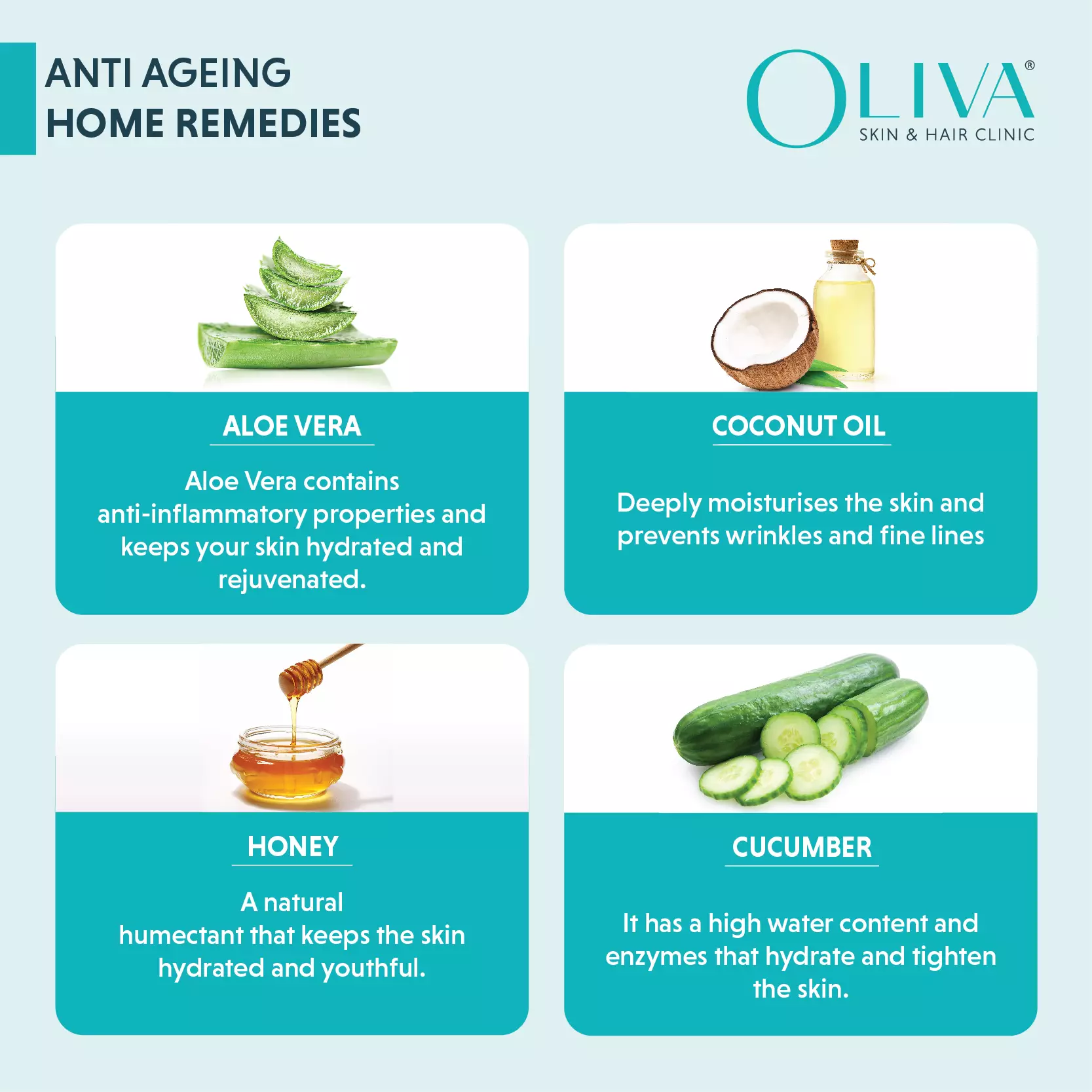
Organic skincare often features nourishing plant oils such as jojoba, rosehip, argan, and coconut oil. These provide deep hydration without clogging pores. Shea and cocoa butters are also popular for their rich texture and ability to repair dry or damaged skin.
Botanical Extracts
Ingredients like green tea, lavender, witch hazel, and turmeric are commonly found in organic formulations. These extracts offer antioxidant, anti-inflammatory, and antimicrobial properties, making them effective for addressing various skin concerns, including acne, aging, and hyperpigmentation.
Natural Preservatives
Since organic products avoid synthetic preservatives, they often use alternatives like vitamin E, rosemary extract, or grapefruit seed extract to extend shelf life. While natural preservatives may result in shorter expiration dates, they reduce the risk of irritation and chemical buildup.
How to Choose the Right Organic Skincare Products
Read Labels Carefully
Look for certifications like USDA Organic, Ecocert, or Soil Association to ensure authenticity. Check the ingredient list organic ingredients should be near the top. Be cautious of terms like "natural" or "made with organic ingredients," as they dont guarantee a fully organic product.
Know Your Skin Type
Just because a product is organic doesnt mean its suitable for everyone. Oily, dry, combination, or acne-prone skin each require different formulations. For example, someone with oily skin might benefit from a lightweight, non-comedogenic serum with tea tree oil, while dry skin types may prefer a rich balm with shea butter.
Patch Test First
Even natural ingredients can cause reactions. Always patch test a new product on a small area of skin before full application to avoid adverse effects.
Debunking Common Myths About Organic Skincare
Myth: Organic Means Less Effective
Many believe that natural products don't work as well as conventional ones. However, ingredients like bakuchiol (a natural retinol alternative) and vitamin C derived from acerola cherries are scientifically proven to deliver visible results.
Myth: All Organic Products Are Expensive
While some organic skincare lines carry premium price tags, there are affordable options available. As demand increases, more budget-friendly brands are entering the market, making organic skincare accessible to a wider audience.
The Future of Organic Skincare
The organic skincare movement is gaining momentum, driven by consumer demand for cleaner, greener beauty. Innovations in biotechnology are enabling the development of potent, sustainable ingredients that rival synthetic alternatives. In the coming years, we can expect greater transparency, improved formulations, and broader availability of certified Organic Skincare Products.
As awareness grows, the beauty industry is likely to shift toward more responsible practices, with organic skincare leading the charge. Whether you're new to natural beauty or a long-time advocate, now is an excellent time to explore what organic skincare has to offer.
Frequently Asked Questions
What does "organic skincare" mean?
It refers to skincare products made with ingredients grown without synthetic pesticides or GMOs, often certified by organic standards.
Are organic skincare products safe for all skin types?
Most are gentle, but individual reactions vary. Always check ingredients and patch test before use.
Do organic products have an expiration date?
Yes, often shorter than conventional products due to natural preservatives.
Can organic skincare help with acne?
Yes, ingredients like tea tree oil and witch hazel have natural antibacterial properties that can help manage acne.
Is "natural" the same as "organic"?
No. "Natural" means derived from nature, but not necessarily grown or processed organically.
Are organic skincare products eco-friendly?
Many are, especially those with sustainable packaging and ethical sourcing, but it varies by brand.
Li WenJin
Daily Qi Ritual