
Natural Sleep Remedies

The Importance of Sleep Hygiene
Sleep hygiene refers to the habits and practices that support consistent, uninterrupted sleep. Poor sleep hygiene is one of the leading causes of sleep issues, so improving it should be the first step in any natural sleep strategy. For those exploring holistic approaches to improve sleep and overall well-being, https://www.dailyqiritual.com/blog/holistic-health/understanding-acupuncture-what-to-expect understanding acupuncture can provide valuable insights into how traditional practices may complement healthy sleep habits.
Consistent Sleep Schedule
Going to bed and waking up at the same time every day even on weekends—helps regulate your bodys internal clock, also known as the circadian rhythm. This consistency makes it easier to fall asleep and wake up naturally. Avoid napping late in the day, as it can interfere with nighttime sleep.
Limit Screen Time Before Bed
Exposure to blue light from phones, tablets, and computers suppresses melatonin, the hormone responsible for sleep. Try to avoid screens at least one hour before bedtime. Instead, engage in calming activities like reading a book, journaling, or listening to soothing music.
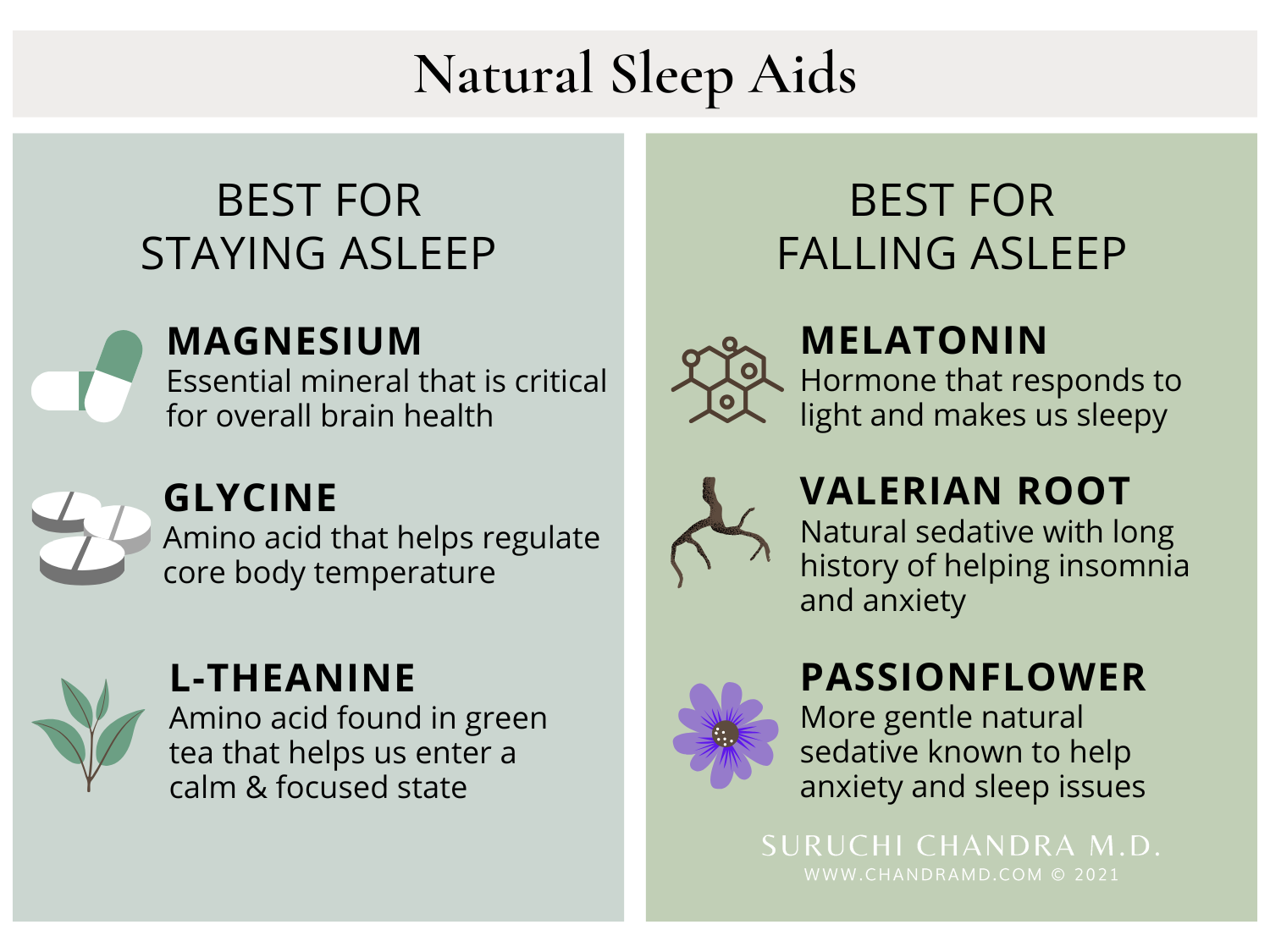
Diet and Natural Sleep Aids
What you eat and drink throughout the day can significantly impact your sleep quality. Certain foods and supplements can promote relaxation and support melatonin production.
Magnesium-Rich Foods
Magnesium plays a key role in regulating neurotransmitters involved in sleep. Foods like almonds, spinach, pumpkin seeds, and bananas are excellent natural sources. Some studies suggest that magnesium supplementation may help improve sleep, especially in people with deficiencies.
Herbal Remedies
Herbs such as valerian root, passionflower, and chamomile have been used for centuries to promote sleep. Chamomile tea, in particular, is a popular bedtime drink due to its mild sedative effects. Valerian root may improve sleep quality and reduce the time it takes to fall asleep, though results vary from person to person.
Exercise and Physical Activity
Regular physical activity is one of the most effective natural ways to improve sleep. Exercise helps reduce stress, anxiety, and depression all of which can interfere with sleep.
Best Times to Exercise
While exercise benefits sleep, the timing matters. Moderate aerobic exercise, such as walking or cycling, is most effective when done in the morning or afternoon. Intense workouts too close to bedtime may increase alertness and make it harder to fall asleep for some people.
Types of Sleep-Supportive Exercise
Yoga and tai chi combine physical movement with breath control and mindfulness, making them especially helpful for promoting relaxation before bed. Gentle stretching in the evening can also ease muscle tension and prepare the body for sleep.
Optimize Your Sleep Environment
Your bedroom should be a sanctuary for sleep. Small changes to your environment can make a big difference in your ability to fall and stay asleep.
Control Light and Noise
Use blackout curtains or an eye mask to block out light. Consider a white noise machine or earplugs if outside noise is an issue. A quiet, dark room signals to your brain that its time to wind down.
Keep the Room Cool
Most people sleep best in a slightly cool environment generally between 60 and 67 degrees Fahrenheit (15 to 19 degrees Celsius). A cooler room helps lower your core body temperature, which is necessary for falling asleep.
Mindfulness and Relaxation Techniques
Stress and an overactive mind are common barriers to sleep. Mindfulness practices can quiet mental chatter and ease the transition into sleep.
Deep Breathing Exercises
Techniques like the 4-7-8 method (inhale for 4 seconds, hold for 7, exhale for 8) help activate the parasympathetic nervous system, which promotes relaxation. Practicing deep breathing for a few minutes before bed can reduce anxiety and prepare your body for sleep.
Meditation and Guided Imagery
Mindfulness meditation trains your mind to focus on the present moment rather than racing thoughts. Apps and audio recordings can guide you through body scans or calming visualizations, making it easier to drift off.
When to Seek Help
While natural remedies work for many people, chronic insomnia or sleep disturbances may indicate an underlying health condition, such as sleep apnea, restless legs syndrome, or anxiety disorders. If youve tried multiple natural approaches without improvement, consult a healthcare provider. They can help identify the cause and recommend appropriate treatment without relying solely on medication.
Keep a Sleep Journal
Tracking your sleep patterns, habits, and mood can provide helpful insights. Note when you go to bed, wake up, how long it takes to fall asleep, and what you did during the day. This record can help you and your doctor spot patterns and triggers.
FAQs
What is the most effective natural sleep remedy?
Consistent sleep hygiene, including a regular sleep schedule and a calming bedtime routine, is often the most effective natural remedy.
Can drinking warm milk help me sleep?
Warm milk contains tryptophan, which the body converts into melatonin. While the effect is mild, the ritual of drinking warm milk can be comforting and promote relaxation.
How does caffeine affect sleep?
Caffeine is a stimulant that blocks adenosine, a chemical that promotes sleep. It can stay in your system for up to 8 hours, so avoid it in the afternoon and evening.
Are essential oils effective for sleep?
Lavender oil, in particular, has been studied for its calming effects. Using it in a diffuser or applying it topically (diluted) may help improve sleep quality for some people.
Can lack of exercise cause insomnia?
Yes. Physical inactivity is linked to poor sleep. Regular exercise helps regulate sleep patterns and reduces stress, both of which support better sleep.
Is it safe to use herbal sleep supplements every night?
While many herbal supplements are safe for short-term use, long-term safety isn't always well studied. Consult a healthcare provider before using supplements regularly.
Li WenJin
Daily Qi Ritual